

The useful short version
Treat the spreadsheet price as an item estimate only. International shipping is calculated later from the packed parcel and may depend on actual weight, volumetric weight, packaging, route restrictions and destination charges. Bulky light items can cost more than their scale weight suggests.
Start with a real decision.
- You are comparing the item estimate with the likely delivered cost
- Your shortlist includes puffers, shoe boxes or other bulky products
- You need to compare consolidation and packaging choices without inventing a final quote
A parcel-planning record containing the missing weight and dimension inputs, packaging assumptions and the current destination-specific checks still required.
- 01Separate cost layers
Keep item price, services, shipping and destination charges distinct.
- 02Collect parcel inputs
Use packed dimensions, actual weight and current route rules.
- 03Compare arrangements
Test packaging and consolidation trade-offs with the same assumptions.
- 04Recheck the live quote
Confirm eligibility and cost after the parcel is actually packed.
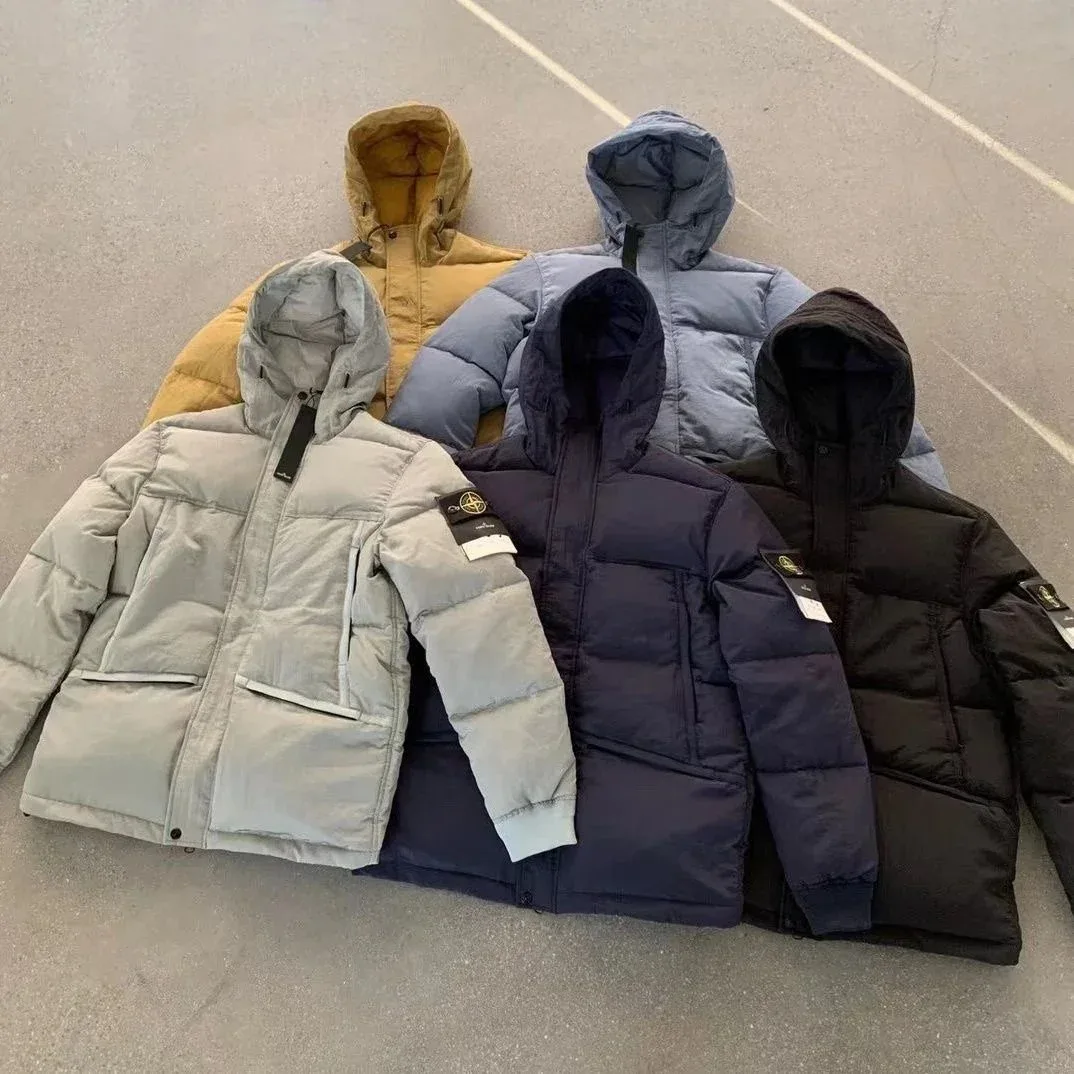 Catalog snapshot · 8 Oct 2026
Worked catalog example: product price is not delivered price
Stone Island Hooded Puffer Jacket BlackParkas & Down Jackets · ~$50.00 · 0 QC photos surfaced
- Product is identified as a hooded puffer jacket
- Category is Parkas & Down Jackets
- USD product estimate is approximately $50.00
- Packed weight and dimensions are not present in this catalog snapshot
- Question this evidence leaves open
- What are the final packed dimensions, actual weight and route-specific chargeable-weight rules?
- Defensible next step
- Keep the $50 estimate in the product-cost column only. Do not estimate international shipping until the missing parcel inputs and eligible destination routes are available.
Separate the layers of total cost
The USD amount displayed in this catalog is an approximate product price. It does not include every domestic, warehouse or international cost. Keeping the layers separate prevents a low item price from being mistaken for a low delivered price.
| Cost layer | When it appears | What to verify |
|---|---|---|
| Product estimate | During spreadsheet research | Current option and live destination price |
| Domestic delivery | Seller to warehouse | Whether it is included or shown separately |
| Warehouse services | Before parcel submission | Optional photos, packaging or handling shown by the service |
| International shipping | After parcel preparation | Chargeable weight, route and current rate |
| Destination charges | By country and carrier | Current tax, duty or handling rules from authoritative local sources |
Understand actual and volumetric weight
Actual weight is what the parcel weighs on a scale. Volumetric weight represents the space it occupies. A carrier may charge using whichever method applies under the selected route. The divisor and exact rules vary, so a generic calculator cannot promise the final amount.
A puffer jacket can be relatively light but bulky; a scarf is usually compact; winter boots may become much larger when the original box is retained. These are planning examples, not measured weights for the products shown on this site.
- Ask for current packed dimensions and weight
- Check the route-specific volumetric divisor
- Decide whether original packaging is necessary
- Allow for outer packaging and protection
- Compare restrictions as well as price
Use volumetric weight as a planning scenario
A common volumetric formula multiplies parcel length, width and height, then divides by a route-specific number. For illustration only, a 50 × 40 × 30 cm parcel has a volume of 60,000 cubic centimeters. With a hypothetical divisor of 6,000, the volumetric result would be 10 kg. If the parcel weighed 6 kg on the scale and that route charged the higher measure, planning from 6 kg would understate the cost.
This example is not an iTaoBuy quote. Routes can use different divisors, rounding increments, size limits or charging rules. Replace every hypothetical input with the current packed dimensions and the terms shown for the eligible route.
| Input | Why it matters | Where uncertainty remains |
|---|---|---|
| Packed dimensions | Used for volumetric calculations and size limits | Repacking can change all three dimensions |
| Actual parcel weight | Used for scale-weight pricing | Final packaging adds weight |
| Route divisor and rounding | Changes chargeable weight | Rules may differ by route and destination |
| Restricted-item status | Determines route eligibility | Classification depends on the actual contents |
| Destination charges | Affects delivered cost | Tax and carrier handling are country-specific |
Decide what belongs in the same parcel
Consolidation can reduce repeated outer packaging, but one large parcel is not automatically the cheapest or safest option. Bulky light clothing may increase volume; heavy footwear can push a parcel into another weight band; fragile accessories may need protection that prevents aggressive compression.
Compare at least two realistic arrangements when the service provides the necessary measurements. Keep the contents and packaging assumptions consistent, then compare route eligibility, chargeable weight, protection and the consequence of one parcel being delayed.
| Choice | Possible benefit | Risk to consider |
|---|---|---|
| Keep shoe boxes | More structure and product protection | Higher packed volume |
| Remove nonessential boxes | Potentially smaller parcel | Less protection and no original packaging |
| Compress soft outerwear | Lower volume where the service allows it | Creasing, loft recovery and route rules |
| Combine all items | Fewer separate shipments | Larger parcel and shared delay exposure |
| Split by product type | Different protection or routes can be used | Repeated base charges and packaging |
Use a parcel-planning workflow
Plan the parcel only after the items and visible QC questions are resolved. Current service screens and destination rules should control the final decision.
- List the intended items
Separate bulky outerwear, shoes, compact accessories and any restricted product type.
- Check warehouse estimates
Record the currently shown weight and dimensions without treating them as final.
- Choose packaging preferences
Balance volume reduction against protection and the value of original packaging.
- Compare eligible routes
Check current restrictions, chargeable-weight method, tracking and displayed estimates.
- Recheck after packing
Use the measured parcel and current terms before confirming shipment.
Finish with destination-specific checks
A route that looks suitable in a general discussion may not be available for your destination, product type or parcel dimensions. Use the service’s current route screen for eligibility and pricing, then check authoritative customs and tax information for the destination country. Community examples can explain vocabulary, but they should not replace current rules.
Record the date of the quote, the route name, chargeable weight, declared contents and the assumptions behind the estimate. If you change packaging or add an item, treat the earlier comparison as stale and run it again.
- Confirm destination and postal region
- Check current route eligibility and restrictions
- Review tracking and compensation terms
- Verify current tax or duty information from an authoritative source
- Save the final packed measurements and quote date
What this method can—and cannot—tell you
- Explain the cost layers
- Help identify bulky product types
- Structure route and packaging questions
- Prepare a parcel comparison
- Quote a final shipping price
- Predict customs treatment
- Guarantee route availability
- Replace current carrier or platform terms
Where this research goes wrong
- Assuming the catalog USD estimate includes international delivery
- Comparing routes before the packed parcel size is known
- Ignoring volumetric weight for puffers and shoe boxes
- Removing protective packaging without considering the tradeoff
- Using an old route recommendation without checking current restrictions
iTaoBuy Shipping Cost and Parcel Guide FAQ
Are shipping costs included in the spreadsheet price?
No. The product estimate and international shipping cost are separate.
Why can puffer jackets be expensive to ship?
They can occupy a large amount of parcel space, causing volumetric weight to exceed the actual scale weight.
Does removing shoe boxes reduce shipping cost?
It can reduce volume, but the tradeoff is less protection. Check the available packaging options and decide based on the item.
What is chargeable weight?
It is the weight value used for pricing under the selected route. Depending on current route rules, it may be based on actual weight, volumetric weight or another stated method.
Is one consolidated parcel always cheaper?
No. Consolidation may reduce repeated packaging, but parcel dimensions, weight bands, route restrictions and protection needs can make another arrangement more suitable.
Can this guide calculate my final shipping cost?
No. A final quote needs current packed measurements, destination, eligible route and live service terms. The examples here are planning methods rather than prices.
How this guide was prepared
This page documents a research method. It does not report a test purchase, seller verification or product certification.
- iTaoBuy public website ↗Public workflow reference.Checked 8 October 2026Supports
The general parcel-preparation and route-selection context used by this guide.
Does not proveA current shipping quote, route eligibility or destination charge.
- Current catalog categoriesProject snapshot evidence.Checked 8 October 2026Supports
Which example products are bulky outerwear, footwear or compact accessories.
Does not provePacked dimensions, actual weight or volumetric weight for a specific item.
- Editorial methodProject disclosure.Checked 8 October 2026Supports
Why product amounts are separated from shipping and described as estimates.
Does not proveCarrier performance, customs treatment or a final delivered cost.